- Tricks That You Should Try With Fashion!
Fashion seems to be different for everyone, yet some people still seem to set the pace. Have you ever wondered how you could approach fashion in a whole new light. The internet is a great resource for you in this time of need. Consider the following helpful tips regarding fashion.
Don’t be afraid to top off your look with an awesome hat. In days gone by, it was commonplace for women and men to wear hats on a daily basis. What was once the height of fashion has, unfortunately, fallen to the wayside in modern times. Be adventurous, and finish off your look with an ultra-cool fedora or a pretty sun hat.
If you want to make yourself look thinner, try to wear the color black. Whether it is a black shirt, skirt, dress or suit, the color tends to make the whole body appear to be thinner. If black is not a color you are fond of, try to accessorize your outfit with brighter colors.
Read fashion magazines at least once a month. If you want to stay up to date on what is hot and what is not you need to do your research. Fashion magazines will keep you informed through each season and as trends develop. If you feel that you ate still missing out there are television shows dedicated to fashion as well.
Create a look that is specific to you. Many people follow the trends set by others, but truly original fashionistas develop their own sense of style. You have to have a certain kind of personality to do this, however, once you do it, you can receive compliments on your unique style.
Take advantage of the summer fashion season. The summer is the most open season when it comes to fashion. There are very few colors that are frowned upon, and the style options are usually endless. Wear the craziest colors and funkiest styles that you can think of while you can. When it comes to smear fashion, anything is possible.
Haircare products which offer moisturizer are the best to use on hair which goes frizzy on a humid day. This actually stops the hair from becoming too moist. Additionally, do not buy volumizing shampoo as this can deteriorate the quality of your hair.
Don’t seek perfection, as far as fashion goes. First, there are no perfect people, and it is an unattainable goal. Also, if you attempt perfection, you may look like you are investing too much time and effort into the process. Some of the very best fashion looks are shown by people like model Kate Moss, who play up a singular flaw, like an unbuttoned shirt, messy hair or non-matching shoes.
When you are at a makeup store, it is vital that you are constantly thinking about what you want your makeups to do for you. This will help you find the right makeup for your style and will help you buy the correct thing. For example, you should consider upcoming events and what is the style you want to portray.
Wear age appropriate clothing. It’s something some women don’t want to let go of, but there comes a time when a super-short skirt is no longer flattering. Pay attention to how your clothes set you off through all stages of your life, and it will serve you well. The good news is that there are some clothes that look great on older women that younger women can’t pull off, so there is always something fashionable to look forward to.
Stand out by embracing your unique features. Some may see high cheekbones or birth marks as flaws, but highlighting what makes you the person you are will set you apart. People will remember you for that “flaw” and may even find you more attractive because of it. That cute little mole or dimples may be your selling point.
You may not think so, but fashion is about keeping an open mind and allowing yourself to figure out more of who you are. There are many helpful resources to help you find out more about fashion. Remember the tips and advice you’ve read here as you work your way towards better fashion.
- Tips To Help You Become A Fashion Guru
Do you need to learn more about fashion? Does the concept seem overwhelming? If this is the case, then keep reading because there are some great ideas to help you become knowledgeable about fashion. When you have an understanding of it, you can change the way you dress to fit your tastes. Knowing more helps out a lot.
When choosing clothes, think about what season you are. If you look good in reds and oranges, you are a “summer” and probably will look good in any warm color (like yellow). If you look good in blues, you are likely a “winter” and look good in whites and greys as well.
Buy a lot of basics. Black and white items, simple dresses, blue jeans, etc; these are the items you should be investing in. A black, basic pencil skirt is always in style and can be updated with jackets and tops that follow the trends of a particular season.
Sometimes hair looks great in a simple, casual up-do. Having long hair can be a pain, especially if you are trying to work or study. When you’re short on time, a simple hair elastic and a couple of pins can help you to look your best with a quick and fashionable hair style.
Do not use sponges to apply your liquid and cream based foundations and blushes. You will lose product in the sponge every time you do. Additionally, the sponge becomes a breeding ground for germs. Instead, use clean fingertips for application, switching fingers or cleaning them between different products or colors.
You can easily dress up your jeans with a fancy top and a nice pair of heels. Colored jeans are only a good idea if you are going for a look that is more casual.
It is not very easy to wear plaid, particularly when you are looking to adopt a look that is softer than you normally have. If you must wear plaid, make sure that you pair it with something that is feminine like skinny jeans or a bag that has ruffles on it.
Be sure that you are being strategic when choosing how much skin you want to show. This is important because you need to be sure that you are not going past what is considered tasteful when it comes to the amount of coverage you have. A great way to judge this is to accentuate just one feature of your body.
Shampoo and conditioner should include a moisturizer for frizziness. That puts a layer of protection around the hair cuticle so it won’t absorb more moisture. Shy away from any products that are advertised as “volumizing”.
Use a leave-in conditioner if you have trouble with frizz. You want to apply this product following a shower, before the hair dries. Don’t be afraid to put a large amount all over your head, and make sure to target both the roots and the very tips of the hair.
A good fashion tip is to start experimenting with your style if you’ve become very bored with your wardrobe. You can do this by simply trying out a new type of clothing that you’ve never worn before such as a scarf or certain kind of dress. This will definitely freshen up your wardrobe.
When you are at a makeup store, it is vital that you are constantly thinking about what you want your makeups to do for you. This will help you find the right makeup for your style and will help you buy the correct thing. For example, you should consider upcoming events and what is the style you want to portray.
Stand out by embracing your unique features. Some may see high cheekbones or birth marks as flaws, but highlighting what makes you the person you are will set you apart. People will remember you for that “flaw” and may even find you more attractive because of it. That cute little mole or dimples may be your selling point.
These tips will get you ready to rock and roll. You may have also gained insight that will help you integrate great fashion into your life. Your confidence is the finishing touch any outfit. You are worth it, so be good to yourself!
- Least Painful Ear Piercings: What I Tell First-Timers at the Studio
- What I’ve Learned About Investments After Years in the Field
- What Years of Moving in Lucan Taught Me About Doing It the Right Way
After more than ten years working hands-on in residential relocations across Southwestern Ontario, I’ve learned that Lucan Ontario Movers have to approach jobs with a different kind of awareness than crews who only work in larger cities. I’ve handled several moves in and around Lucan, and while the area feels calm and open, that can be misleading if you don’t plan carefully.
One move that still stands out involved a family relocating from a newer build just outside the village core. The home itself was easy enough, but the long gravel driveway and limited turnaround space weren’t. I’ve found that movers unfamiliar with Lucan sometimes assume extra space equals easy access. In this case, we staged items in the garage, repositioned the truck gradually, and avoided tearing up the driveway or blocking the road. That extra patience saved the homeowner from repairs that would’ve lingered long after the move.
I’m trained in safe lifting and load planning, and those skills matter even more on Lucan moves where garages, sheds, and basements often hold a surprising amount. A few years back, I worked a job where the main floor was finished quickly, but heavy storage cabinets and equipment showed up late in the process. Instead of forcing them into the remaining gaps, we rebalanced the load to keep weight distributed properly for the drive back toward London. That decision made unloading smoother and prevented items from shifting in transit.
Another common mistake I see with Lucan Ontario movers is underestimating timing. People often assume traffic won’t factor in until they hit a highway, but farm vehicles, school zones, and narrow connectors can slow things down unexpectedly. I once handled a move scheduled tightly around afternoon commitments, and those delays added pressure fast. Because we’d seen it before, we prioritized essential furniture first and kept the move from dragging late into the evening.
From my perspective, the best movers in Lucan understand the balance between quiet residential roads and the realities of connecting back to busier routes. I’ve watched stress levels drop once clients realize the crew knows how to work around longer driveways, mixed loads, and changing access without rushing or cutting corners.
After all these years, I still enjoy Lucan moves because they reward steady judgment. When everything arrives intact and the property looks untouched after the truck pulls away, the move feels controlled instead of exhausting. That outcome usually comes from experience handling the details most people don’t notice—until something goes wrong.
- Emergency Plumbing in Cradley Heath — The Problems That Build Before Anyone Notices
- 3D Laser Scanning: What the Work Teaches You Over Time
I’ve been working in reality capture and measured building documentation for more than ten years, and I’ve learned that projects tend to stay on track when everyone agrees on what actually exists. That’s why I often reference https://apexscanning.com/tennessee/memphis/ early in conversations about 3D laser scanning—because reliable existing-conditions data eliminates arguments before they start and keeps small assumptions from becoming expensive problems.
One of my earlier projects in the region involved a renovation of an older industrial building that had been adapted for multiple uses over the years. The drawings showed clean lines and predictable dimensions, but once we scanned the space, it was clear the building had its own opinions. Columns were slightly out of alignment, and ceiling heights shifted enough to affect new mechanical runs. I remember the contractor studying the point cloud quietly before saying, “This explains why nothing ever fits the first time.” That scan saved the team from fabricating materials that would have needed immediate adjustment.
In my experience, 3D laser scanning proves its value most on projects that seem straightforward. I worked on a warehouse conversion where the open floor plan gave everyone confidence. The scan revealed subtle slab variation across long distances. No single spot looked problematic, but once equipment layouts were applied, the issues became unavoidable. Catching that early prevented weeks of field fixes and a lot of frustration among installers.
I’ve also seen the consequences of rushing the scanning process. On a fast-tracked project, another provider tried to save time by spacing scan positions too far apart. The data looked usable at first glance, but gaps appeared around key structural areas once coordination began. We ended up rescanning portions of the building, which cost more than doing it properly from the start. That experience made me firm about planning scans with downstream use in mind.
Another situation that stands out involved prefabricated components that didn’t fit as expected once they arrived on site. The initial reaction was to blame fabrication. The scan told a different story. The building itself had shifted slightly over time—nothing dramatic, just enough to matter. Having that baseline data redirected the conversation toward practical adjustment instead of blame and kept the project moving.
The most common mistake I see is treating 3D laser scanning as a formality rather than a foundation. Teams sometimes request data without thinking through how designers, fabricators, or installers will rely on it. When the scan is planned around real use cases, it becomes a stabilizing force instead of just another deliverable.
After years in the field, I trust 3D laser scanning because it removes uncertainty early. When everyone is working from the same accurate picture of existing conditions, projects stay calmer, decisions come faster, and surprises lose their ability to derail progress.
- Roof Repair Expert LLC in Centertown, TN — Notes from a Roofer Who’s Been on These Roofs
- What “Affordable” Really Means for Septic Work in Dallas, Georgia
I’ve spent more than ten years working hands-on with residential septic systems across Paulding County, and the phrase Affordable Septic Dallas GA means something very specific to me. It doesn’t mean the cheapest quote or the fastest pump-out. It means work that solves the real problem the first time, so homeowners aren’t paying again a few months later for the same issue in a different form.
One of the earliest jobs that shaped my view of affordability involved a family who had already paid for two pump-outs in less than a year. Each visit gave them a few weeks of relief, then the drains slowed again. They assumed septic work was just something you budgeted for constantly. When I inspected the system, the tank level was normal. The real issue was a distribution box that had shifted slightly and was sending most of the flow to one trench. Leveling that box cost far less than another pump-out and stopped the problem entirely. That’s when they realized affordable work is about accuracy, not shortcuts.
I’m licensed in septic repair and inspections, and inspections around Dallas, GA tend to reveal the same pattern. Homeowners often spend money reacting to symptoms instead of addressing causes. Last spring, I worked on a property where backups only happened after heavy rain. The assumption was a failing drain field, and the owner was bracing for a massive expense. What I found instead was surface water being directed toward the tank lid. Over time, that water infiltrated the system and overwhelmed it during storms. Redirecting runoff and resealing the riser fixed the issue without tearing up the yard or draining the bank account.
A common mistake I see is chasing the lowest upfront price. I’ve been called in after bargain repairs where a cracked baffle was ignored or a settled inlet line wasn’t corrected because it took extra time to expose. Those decisions always come back to haunt the homeowner. I’ve watched people spend several thousand dollars over a couple of years on repeat service calls that could have been avoided with one properly diagnosed repair.
Dallas-area soil plays a big role in this. The clay here expands and contracts, putting stress on pipes and tanks. I’ve repaired lines that cracked not from age, but from seasonal ground movement. Affordable septic work accounts for those conditions. It means correcting drainage, relieving pressure around the system, and making sure components are aligned so they’re not fighting the soil every year.
Access is another overlooked factor. I’ve worked on properties where tank lids were buried so deep that inspections were avoided entirely. Maintenance got skipped because reaching the tank felt like a construction project. Installing risers during service adds a bit upfront, but it saves money long-term by making routine checks easy. I’ve seen systems last far longer simply because small issues were caught early instead of turning into emergencies.
I’ve also advised homeowners against repairs that sounded cheaper but wouldn’t last. Extending a drain field without fixing uneven distribution just spreads the failure. Replacing a tank without correcting a misaligned outlet leads to the same backups with newer equipment. True affordability comes from choosing the repair that holds up, even if it isn’t the flashiest or quickest option.
From my perspective, affordable septic service is about predictability. You shouldn’t be wondering if normal laundry will cause a backup or watching the yard every time it rains. When work is done thoughtfully, systems settle into a steady rhythm. Drains clear normally, odors disappear, and service calls become rare instead of routine.
After years of working on systems throughout Dallas, Georgia, I’ve learned that most septic expenses grow out of small issues being ignored or misdiagnosed. Affordable work isn’t about doing less—it’s about doing the right thing once. When that happens, septic systems fade into the background, doing their job quietly without draining your time or your wallet.
- Local Tree Service Mableton GA: What Years in the Field Have Taught Me
After more than ten years working as a professional arborist, I’ve learned that choosing a Local tree service Mableton GA isn’t about who promises the most or arrives the fastest. It’s about who understands how trees behave over time and makes decisions that still make sense years later. Most of the calls I get aren’t proactive—they’re from homeowners dealing with the fallout of rushed or poorly judged work.
Early in my career, I was asked to inspect a backyard where a previous crew had removed several large limbs to “make the tree safer.” The homeowner liked how open the yard felt afterward. What stood out to me were the cut locations and how much weight had been taken from one side of the canopy. Two seasons later, during a routine storm, a major limb failed and damaged a fence. That job shaped how I judge local tree services to this day: clean-looking work isn’t always correct work.
In my experience, the best local services start by slowing things down. I’ve stood on plenty of Mableton properties where homeowners assumed removal was the only option because a tree leaned toward a house or driveway. One situation last spring involved a mature tree that looked risky at first glance. After checking the root flare and soil conditions, it became clear the lean had been stable for years. The real issue was compacted soil from recent grading that limited water absorption. Targeted pruning and correcting drainage solved the concern without removing a healthy tree.
Storm damage is another area where judgment matters more than speed. I’ve evaluated cracked limbs hanging over garages that hadn’t fallen yet, giving homeowners a false sense of safety. I’ve also seen the aftermath when those limbs finally came down weeks later during mild weather. Controlled rigging, staged reductions, and constant reassessment as weight shifts take more time, but they prevent unnecessary damage. Rushing those jobs is how gutters get crushed and roofs get dented.
One mistake I see homeowners make again and again is underestimating stump work. Many people treat grinding as a cosmetic step. I’ve been called back months later because shallow grinding led to sinking soil, uneven turf, and insect activity near foundations. Once you’ve dealt with those callbacks, you stop treating stumps as an afterthought and start treating them as part of the site’s long-term stability.
Cleanup and site care also tell me a lot about a crew’s mindset. Tree work is heavy by nature, but that doesn’t excuse rutted lawns or damaged edging. The local teams I respect plan access routes, protect turf, and leave a property looking intentional. In my experience, attention to those details usually mirrors the care taken with the cuts themselves.
Credentials help, but restraint matters more. I’ve worked alongside licensed professionals who still made poor calls because they relied on habit instead of evaluating the specific tree in front of them. The best local services explain their reasoning clearly and don’t push removal unless it’s genuinely necessary.
After years of fixing preventable mistakes and watching well-done work stand the test of time, my perspective is steady. Good local tree service comes down to assessment, communication, and respect for how trees grow and fail. When those principles guide the work, homeowners in Mableton end up with safer properties and far fewer regrets.
- Professional Oven Cleaning: What Experience Teaches You That DIY Never Does
After more than ten years working hands-on in kitchens, I’ve learned that most oven problems don’t start as breakdowns—they start as neglect. The first time I saw what proper professional oven cleaning actually achieved, it reshaped how I approached the job. Not surface shine, not a temporary improvement, but a genuine reset of how the appliance functioned day to day.
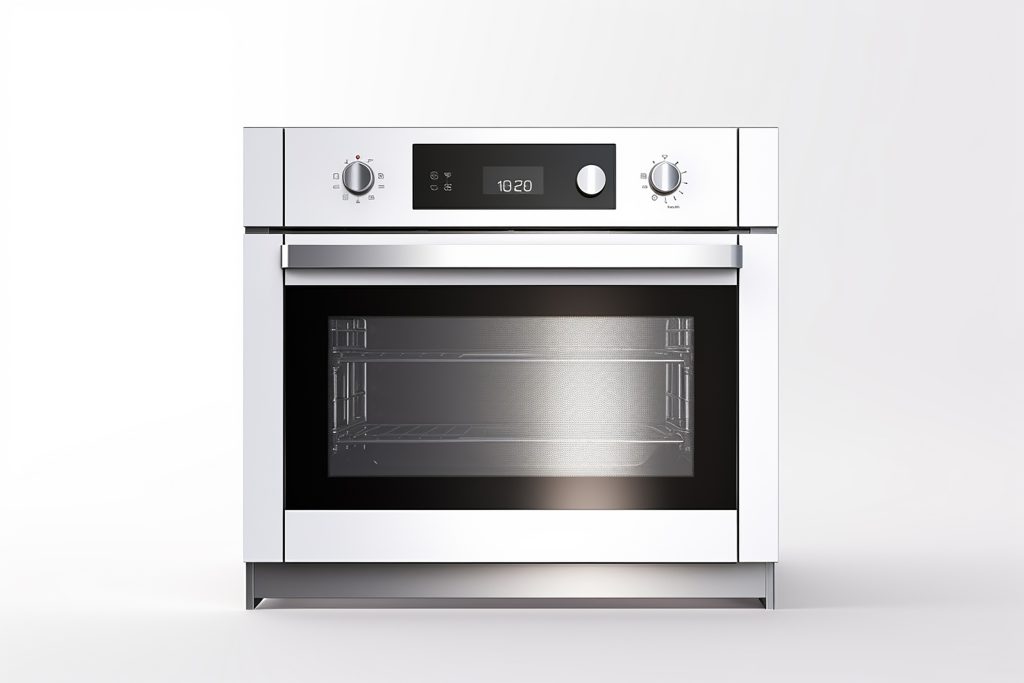
Early in my career, I believed what many homeowners believe: if an oven heats up, it’s doing its job. That assumption didn’t last long. I once cleaned an oven for a customer who complained that every roast set off the smoke alarm. The oven wasn’t visibly filthy, but once the panels were removed, the fan housing was caked in hardened grease. After a proper clean, the smoke disappeared entirely. Nothing else changed—same oven, same food, same habits. That experience taught me where the real problems usually hide.
People often underestimate how grease behaves over time. It doesn’t just drip and burn away. It vaporizes, settles into seals, coats internal surfaces, and slowly interferes with airflow and temperature regulation. I’ve opened ovens where the thermostat sensor was insulated by grime, causing inaccurate temperatures that left food undercooked or scorched. In one case last autumn, a customer thought their oven was “just old.” After cleaning, they were shocked at how evenly it cooked again.
A common mistake I encounter is reliance on harsh chemical sprays combined with high-heat self-clean cycles. I’ve seen racks warped beyond use, enamel permanently dulled, and door locks fail mid-cycle. One homeowner tried this before a family gathering and ended up with an oven stuck in lock mode for half a day. By the time I was called in, the chemicals had baked onto the interior and required careful removal. That situation was avoidable, and unfortunately, it’s not unusual.
Experience also changes how you treat delicate components. Door seals, elements, and fans aren’t meant to be soaked or scrubbed aggressively. I’ve been called to re-clean ovens where seals were damaged during a rushed job, leading to heat loss and longer cooking times. Done properly, those parts are cleaned gently and precisely. That difference may not be obvious immediately, but it shows up months later in performance and energy use.
There’s also a noticeable difference in how food tastes after a thorough clean. Old carbon deposits and rancid grease release odors every time the oven heats up. People get used to it and assume it’s normal. After a proper clean, customers often mention that baked goods smell fresher or that savory dishes no longer carry a faint burnt aftertaste. Those comments don’t come from theory—they come from lived experience in real kitchens.
Over the years, I’ve seen people postpone replacing their oven simply because a professional clean restored confidence in using it. Others start cooking more often because the appliance no longer feels unpredictable. That’s the part of this work I value most. It’s not about cosmetics; it’s about restoring reliability.
After a decade in this field, my opinion is firm: shortcuts cost more in the long run. Proper oven cleaning protects components, improves performance, and quietly changes how people cook at home. You don’t notice what buildup takes away until it’s gone—and once it is, the difference is hard to ignore.
- Vintage Leather Wallets for Him, Evaluated Through Daily Carry
I’ve spent more than ten years working hands-on with leather goods—designing wallets, selecting hides, and repairing pieces that didn’t survive real use—and that background shapes how I look at a Vintage Leather wallet collection for him. If someone wants to see what actually holds up once a wallet leaves the shelf and enters daily life, I usually point them toward lived examples like https://www.vintageleather.com.au/collections/mens-wallets, because men’s wallets reveal quality faster than almost any other leather item.
My standards were set early in my career, when I was fixing wallets that were barely a year old. From the outside they still looked fine. Inside, the story was different: stretched card slots, folds that had gone weak, linings tearing where leather was never meant to flex. Seeing those same failures again and again taught me what works when a wallet is bent, sat on, and handled dozens of times a day.
Why Men’s Wallets Test Leather More Than Anything Else
In my experience, men’s wallets live hard lives. They’re carried in back pockets, front pockets, jacket pockets, and work bags. They’re compressed when you sit, pulled out one-handed, and exposed to sweat and friction daily. Leather that’s chosen only for softness or appearance doesn’t last long under that routine.
I once carried a slim, polished wallet that felt impressive at first touch. Within months, the fold thinned and lost tension. The leather had been processed to look perfect, but it couldn’t recover from constant bending. I replaced it with a thicker, more natural leather wallet that felt almost plain on day one. Years later, that wallet is still structurally solid, just darker and smoother where it’s been handled most.
That contrast is why I’m cautious of wallets designed to impress quickly rather than endure.
How Vintage Leather Should Age
Good vintage leather doesn’t stay stiff, but it doesn’t collapse either. It relaxes gradually. The fold becomes smoother without weakening. Corners round instead of splitting. Card slots ease just enough to be usable without turning sloppy.
A customer last spring brought in a wallet he’d used daily through long workdays and frequent travel. He assumed it was wearing out because it looked “broken in.” What I saw was healthy aging—no seam movement, no tearing, just a deeper tone and softened edges. That wallet wasn’t failing; it was settling into use.
That’s what you want from leather meant for everyday carry.
Construction Details That Actually Matter
Most buyers focus on exterior leather, but longevity is decided by construction. Wallets that rely heavily on glue instead of stitching tend to fail quietly. Overly tight card slots stretch unevenly. Cheap linings tear first, even when the outer leather is still strong.
From hands-on work, I pay close attention to stitching at the fold and the thickness of the leather panels. Too thin, and the wallet loses structure. Too thick, and it becomes uncomfortable to carry. Vintage leather wallets that get this balance right feel firm without being rigid.
Common Mistakes I See Repeated
One mistake I see often is chasing extreme slimness. Ultra-thin wallets leave no margin for real-world use and strain every seam once they’re loaded. Another is choosing heavily coated leather to resist marks. Those coatings crack long before the leather itself would have aged naturally.
I also see buyers ignore edge finishing. Poorly painted edges peel quickly. Burnished or folded edges tend to age more gracefully and feel better in the hand.
Matching a Wallet to Real Habits
I always encourage people to think honestly about how they carry their wallet. Back pocket or front pocket. Long workdays or occasional use. Frequent travel or mostly local errands. These habits matter more than labels or trends.
One of my own wallets has developed a gentle curve from years of being carried the same way. That curve didn’t weaken it—it made it more comfortable. Leather that can adapt to those habits without thinning or tearing is worth keeping.
When a Wallet Becomes Invisible
The best vintage leather wallets eventually disappear into routine. You stop noticing them because nothing goes wrong. Cards slide out easily. The leather feels familiar. Wear shows up as character, not damage.
After years in this trade, that’s how I judge a Vintage Leather wallet collection for him—not by how flawless the leather looks new, but by how quietly it keeps doing its job once it’s lived with every day.